
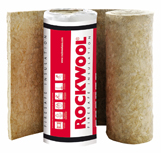
Rockwool ฉนวนใยหินคืออะไร
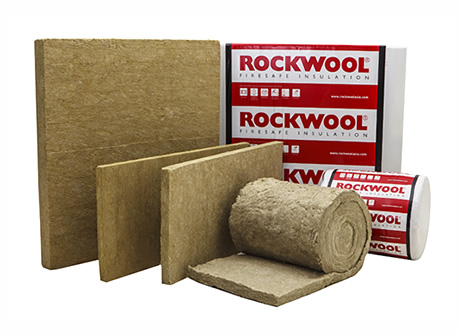
Rockwool ฉนวนใยหิน คือ แผ่นใยหินที่ใช้เป็นฉนวนกันความร้อน กันเสียง กันไฟลาม ในอาคารและสิ่งปลูกสร้างต่างๆมีหลายรูปทรงแล้วแต่การใช้งาน ลักษณะ Rockwool ฉนวนใยหิน เป็นเส้นๆ เป็นใยซ้อนกันเหมือนขนสัตว์ แต่ทำมาจากหินหลอมเหลวที่อุณหภูมิสุูงกว่า 1000 องศาเซียลเซียส
Rockwool ร็อควูล ฉนวนใยหิน ผลิตจากอะไร
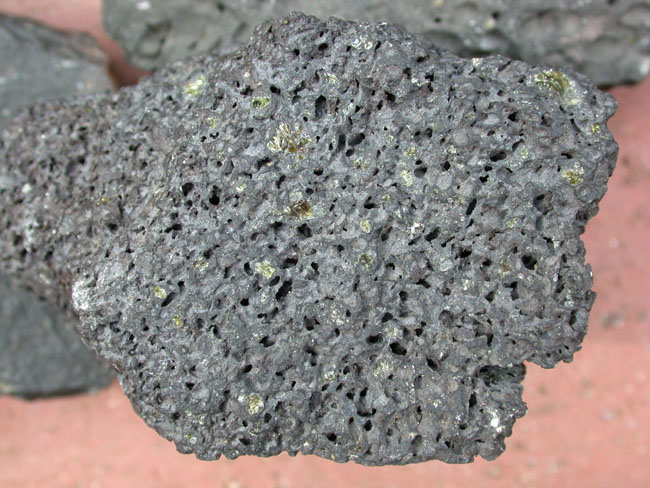
Rockwool ฉนวนใยหิน ใช้วัตถุดิบคือ ใช้หินปูนและบะซอลท์ มาผลิตเป็นแผ่นฉนวนใยหิน วัตถุดิบจะถูกหลอมในเตาเผาที่ใช้ถ่านโค้กเป็นเชื้อเพลิงที่อุณหภูมิประมาณ 1300 องศาเซลเซียส วัตถุดิบที่หลอมเหลวจะถูกทำให้เป็นเส้นใย โดยใช้ล้อหมุนที่ลดอุณหภูมิด้วยน้ำ เส้นใยเหล่านี้จะถูกเคลือบด้วยสารผนึกที่เป็นเทอร์โมเซตติ้ง ซึ่งเมื่อบ่มด้วยความร้อนแล้วจะเชื่อมเส้นใยเข้าด้วยกันเป็นผืนหลัง จากนั้นจะถูกตัดเป็นชิ้นส่วนขนาดต่าง ๆ ทั้งชนิดแผ่นที่มีขนาดเล็กและแข็ง หรือชนิดม้วนที่มีขนาดใหญ่กว่า
Rockwool ฉนวนใยหิน ร็อควูลชนิดแผ่นและม้วนที่ผลิตได้จะมีความหนาแน่น และความหนาต่างกันได้หลายขนาด ความหนาแน่นปกติอยู่ในช่วง 40 ถึง 200 กก./ลบ.ม. และความหนาปกติอยู่ในช่วง 50 ถึง 200 มม. ฉนวนแบบท่อที่ขึ้นรูปไว้ล่วงหน้า สามารถนำมาใช้ผลิตท่อขนาดต่าง ๆ และสามารถจะเคลือบผิวได้หลายแบบรวมทั้งฟอยล์อลูมิเนียม และผ้าใยแก้ว ชนิดแผ่นและม้วนก็เช่นเดียวกัน
ผลิตภัณฑ์ Rockwool ร็อควูล ฉนวนใยหิน มีคุณสมบัติเป็นฉนวนที่ดีเยี่ยมในช่วงอุณหภูมิ -240 o เซลเซียส ถึง +820 o เซลเซียส ประโยชน์ใช้งานรวมถึงการกันความร้อนและเก็บเสียงทุกประเภท ที่จำเป็นในกิจการผลิตกระแสไฟฟ้าอุตสาหกรรมต่าง ๆ อาคารต่าง ๆ ระบบปรับอากาศและระบบกันไฟ ตั้งแต่หลังคาจนถึงท่อไอน้ำ ตลอดจนผนังห้อง โดยช่วยลดเสียงลงได้ 50 % และช่วยลดค่าไฟได้ถึง 70 %
Rockwool is fabricated from rock but looks and acts like wool, a natural insulator. The most suitable raw materials for Rockwool are limestone and basalt.
The raw material is melted in a furnace, using coke as fuel, at temperatures of around 1300 oC. This molten material is then fiberized by means of water-cooled spinning wheels. These fibers are subsequently coated with a termo-setting binder which, when heat-cured, bonds the fibers into a mat. Finally, the mat is cut into various sizes, either small rigid boards or larger “blankets”.
Boards and blankets can be produced in arrange of densities and thicknesses. Typical densities vary from 40 to 200 kg/m 3 and thicknesses are usually from 50 to 200 mm. Performed pipe insulation can be made for a range of pipe sizes and, like the boards and blankets, can be given a number of different surface finishes, including aluminium foil and glass closth.
Rockwool products have excellent insulation capabilities at temperatures ranging from -240 oC to +820 oC. Their applications include all types of thermal and acoustic insulation required in power generation, industries, buildings, air management, and fire protection, from roofing to steam piping to walls that reduce sound by 50% and reduce energy costs by up to 70%.
ร

